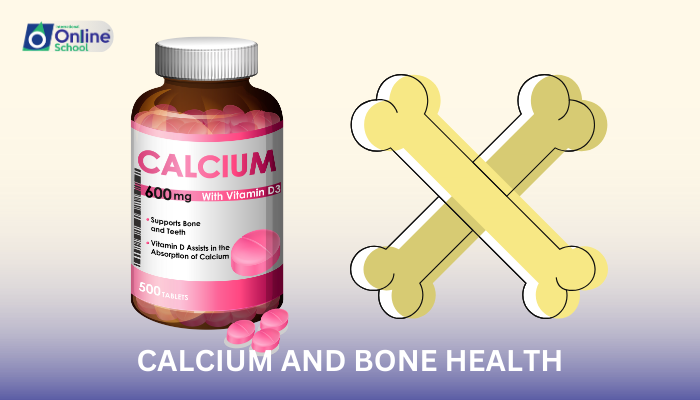
Learning Outcomes
i. Understand the role of calcium in bone health and development.
ii. Recognize the impact of calcium deficiency on bones and the development of conditions like osteoporosis.
iii. Identify lifestyle and dietary choices that can support bone health and reduce the risk of calcium deficiency.
i. Role of Calcium in Bone Health
Bone Composition: Calcium is a crucial mineral in bone tissue, lending strength and structure to bones and teeth.
Bone Remodelling: It plays a pivotal role in the constant remodelling process of bones, where old bone tissue is replaced with new.
ii. Impact of Calcium Deficiency
Osteoporosis: A significant deficiency in calcium can lead to decreased bone density, known as osteoporosis, making bones fragile and more susceptible to fractures.
Risk Factors: Factors that can lead to calcium deficiency include poor dietary intake, certain medications, age-related absorption issues, and hormonal changes, particularly in post-menopausal women.
iii. Mitigating the Risk of Calcium Deficiency
Diet: Consuming a balanced diet rich in calcium, including dairy products, leafy greens, and fortified foods, can help maintain adequate calcium levels.
Vitamin D: Ensuring sufficient vitamin D intake, which is crucial for calcium absorption in the body. Sources include sunlight exposure, fatty fish, and fortified foods or supplements.
Lifestyle Choices: Engaging in regular weight-bearing and muscle-strengthening exercises can help build and maintain bone density. Additionally, avoiding smoking and excessive alcohol consumption can support bone health.
In conclusion, calcium plays an essential role in maintaining bone health and preventing conditions like osteoporosis. Adequate calcium intake through diet, proper vitamin D levels, and healthy lifestyle choices are key factors in supporting strong bones throughout life. Understanding the relationship between calcium and bone health is important for developing effective strategies for the prevention and management of bone-related health issues.
